.png)
Dr. Sneha S is a Consultant in Internal Medicine at Manipal Hospital, Kanakapura, Bengaluru. She specializes in diabetes, hypertension, thyroid disorders, infectious diseases, and chronic respiratory conditions.
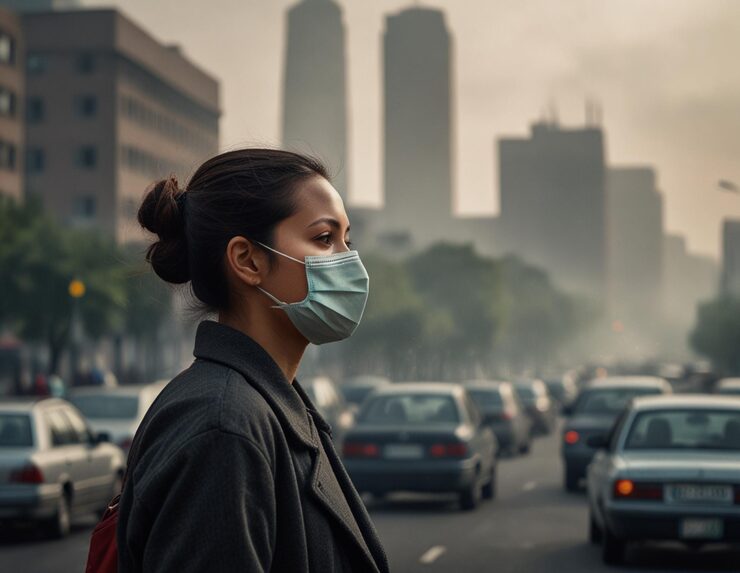
We often think of air pollution as something that only affects the lungs. Smog, vehicle smoke, and dust are usually linked to asthma or breathing problems. But modern research shows something surprising — polluted air can also affect your heart and blood sugar levels.
Yes, the environment around us plays a significant role in chronic diseases like type 2 diabetes and heart disease. For people already managing these conditions, pollution can make control more difficult. Understanding this connection can help you take steps to protect your long-term health.
Air pollution contains tiny particles and harmful gases that we breathe in daily. These particles are so small that they enter the bloodstream through the lungs. Once inside, they cause inflammation, oxidative stress, and damage to blood vessels.
This ongoing internal stress can interfere with how the body processes insulin and regulates blood sugar. That’s why people seeking Type 2 Diabetes Treatment in Kanakapura Road are often advised to consider environmental exposure as part of their overall health management.
Air pollution can increase the risk of developing type 2 diabetes and worsen blood sugar control in people who already have it.
Inflammation and Insulin Resistance
Pollutants trigger low-grade inflammation throughout the body. This makes cells less responsive to insulin, a condition known as insulin resistance.
Blood Vessel Damage
Pollution harms blood vessels, reducing circulation. Poor circulation affects how glucose is transported and used by the body.
Weight Gain and Hormonal Imbalance
Studies suggest long-term exposure may disturb hormones that regulate appetite and metabolism.
For those undergoing Type 2 Diabetes Treatment in Kanakapura Road, managing environmental exposure is becoming an important part of prevention strategies.
The heart and blood vessels are highly sensitive to environmental stress. Polluted air can:
When combined with diabetes, these effects multiply, making cardiovascular complications more likely. That’s why doctors emphasize not only medication but also environmental awareness.
While everyone is exposed to pollution, some people face greater risks:
Patients receiving Type 2 Diabetes Treatment in Kanakapura Road are often advised to monitor air quality levels, especially during peak pollution seasons.
You may not be able to control outdoor air quality, but you can reduce its impact on your health.
Improve Indoor Air
Use air purifiers, keep windows closed during high pollution hours, and avoid indoor smoking.
Wear Protective Masks
N95 or similar masks help filter fine particles when stepping outside.
Choose Cleaner Travel Times
Avoid outdoor exercise near heavy traffic. Early mornings or post-rain periods often have cleaner air.
Stay Hydrated
Proper hydration helps the body flush out toxins and supports circulation.
These simple steps can support better outcomes alongside Type 2 Diabetes Treatment in Kanakapura Road.
A diet rich in antioxidants helps the body fight pollution-related damage.
Balanced nutrition strengthens the immune system and protects blood vessels from oxidative stress.
If you live in a polluted area and have diabetes or heart disease, regular health checks are essential. Monitoring blood sugar, blood pressure, and cholesterol levels helps catch changes early.
Under the care of Dr.Sneha S, patients receive personalized plans that consider lifestyle, diet, and environmental risks. This comprehensive approach ensures better long-term disease control and prevention of complications.
Pollution can also affect sleep quality and increase stress levels, both of which worsen diabetes and heart disease. Prioritizing good sleep, indoor air quality, and relaxation techniques can improve metabolic balance.
Many patients consulting Dr.Sneha S report better energy and blood sugar control when combining medical care with lifestyle adjustments.
Chronic diseases develop over years, not overnight. Environmental exposure may seem invisible, but its effects accumulate over time. By taking protective steps today, you reduce the burden on your heart and metabolism tomorrow.
If you already have diabetes or heart disease, don’t ignore environmental triggers. Proper Type 2 Diabetes Treatment in Kanakapura Road includes medical therapy, lifestyle changes, and awareness of pollution’s impact on your health.
If you have diabetes, high blood pressure, or a family history of heart disease, now is the time to act. A comprehensive evaluation can help you understand your risk and create a personalized plan for better health. Book an appointment today and take control of your well-being.
1. Can air pollution directly cause diabetes?
Long-term exposure increases the risk by promoting inflammation and insulin resistance.
2. Does wearing a mask really help?
Yes, good-quality masks can reduce inhalation of harmful particles.
3. Is indoor air also polluted?
Yes, dust, smoke, and poor ventilation can affect indoor air quality.
4. Should people with diabetes avoid outdoor exercise?
Exercise is important, but avoid high-pollution hours and busy roads.
5. Can diet reduce pollution-related health risks?
Yes, antioxidant-rich foods help the body fight inflammation and oxidative stress.
Dr. Sneha S is a trusted Internal Medicine Specialist dedicated to providing personalized, evidence-based care.
© 2025 Dr. Sneha S. All rights reserved.Designed By Appadd india pvt ltd