.png)
Dr. Sneha S is a Consultant in Internal Medicine at Manipal Hospital, Kanakapura, Bengaluru. She specializes in diabetes, hypertension, thyroid disorders, infectious diseases, and chronic respiratory conditions.
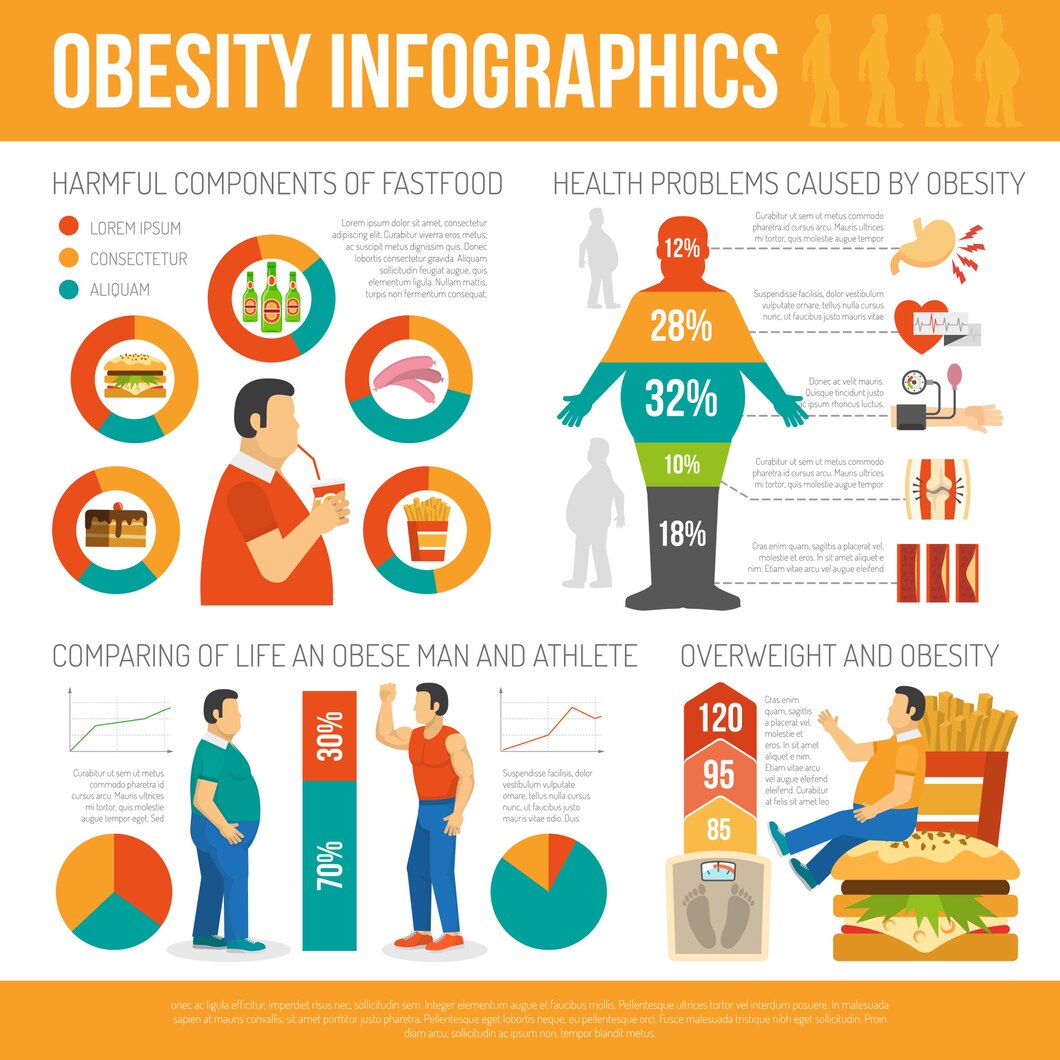
Have you ever been told your blood sugar is “borderline,” your blood pressure is “a little high,” and your cholesterol “needs watching”? Individually, these may not sound alarming. But when several of these conditions occur together, they form something called metabolic syndrome — a major warning sign that your body’s metabolism is under stress.
Metabolic syndrome isn’t a single disease. It’s a cluster of health issues that significantly raise the risk of heart disease, stroke, and type 2 diabetes. The good news? It can be detected early and often reversed with the right medical guidance and lifestyle changes.
Metabolic syndrome refers to a group of conditions that occur together and increase the risk of serious chronic diseases. A person is typically diagnosed when they have three or more of the following:
These risk factors are closely linked to insulin resistance, where the body doesn’t use insulin effectively. Over time, this can lead to diabetes and cardiovascular complications.
Seeking Metabolic disorders treatment in Kanakapura Road early can help identify these warning signs before they progress into more serious health problems.
Metabolic syndrome often develops quietly. Many people don’t notice symptoms until complications arise. However, there are subtle warning signals:
Routine health checkups are crucial because these changes are often detected through blood tests and physical measurements rather than obvious symptoms. Early detection through proper Metabolic disorders treatment in Kanakapura Road can prevent long-term damage.
When these risk factors combine, they don’t just add up - they multiply the danger.
Heart Disease Risk
High blood pressure and abnormal cholesterol levels strain the heart and blood vessels, increasing the risk of heart attacks.
Stroke Risk
Blocked or narrowed blood vessels in the brain can lead to strokes.
Type 2 Diabetes
Insulin resistance can eventually cause chronically high blood sugar levels.
Fatty Liver Disease
Excess fat storage in the liver is common in people with metabolic syndrome.
This is why doctors strongly emphasize preventive care and structured Metabolic disorders treatment in Kanakapura Road for at-risk individuals.
Some people are more likely to develop metabolic syndrome due to:
Age also plays a role, but increasingly, younger adults are being diagnosed due to modern lifestyle habits.
Diagnosis is simple and usually involves:
A healthcare provider reviews these together rather than individually. Early medical evaluation ensures timely Metabolic disorders treatment in Kanakapura Road, helping reduce long-term complications.
Eat Smart
Focus on whole foods like vegetables, fruits, lean proteins, whole grains, and healthy fats. Reduce sugar, refined carbs, and processed foods.
Move More
Aim for at least 30 minutes of moderate exercise five days a week — brisk walking, cycling, or swimming all help.
Maintain Healthy Weight
Even losing 5–10% of body weight can significantly improve blood pressure, cholesterol, and blood sugar.
Manage Stress
Chronic stress raises cortisol levels, contributing to weight gain and insulin resistance. Yoga, meditation, and proper sleep help regulate hormones.
Avoid Smoking & Limit Alcohol
Both directly worsen heart and metabolic health.
With expert guidance from Dr.Sneha S, patients receive personalized care plans that focus on sustainable lifestyle improvements rather than quick fixes.
Sometimes lifestyle changes alone may not be enough, especially if risk factors are advanced. Treatment may include:
Regular follow-ups ensure progress is tracked and treatment plans are adjusted when needed. Under the care of Dr.Sneha S, patients receive comprehensive evaluation and long-term monitoring tailored to their individual needs.
Metabolic syndrome is your body’s early warning system. Ignoring it can lead to lifelong health problems, but addressing it now can reverse risks and restore balance.
If you have a family history of diabetes, struggle with weight gain, or have abnormal lab results, don’t wait for symptoms to worsen. Early Metabolic disorders treatment in Kanakapura Road can make all the difference in protecting your heart, brain, and overall well-being.
Taking control of your metabolic health today can prevent serious illness tomorrow. Schedule a consultation to assess your risk factors, review your reports, and receive a personalized prevention plan. Book your appointment now and take the first step toward a healthier future.
1. Is metabolic syndrome the same as diabetes?
No, but it greatly increases the risk of developing type 2 diabetes.
2. Can metabolic syndrome be reversed?
Yes, with weight loss, exercise, and proper medical guidance.
3. Do I need medication if I have metabolic syndrome?
Not always; some people improve with lifestyle changes alone.
4. How often should I get tested?
At least once a year, or more frequently if you have risk factors.
5. Is belly fat really that harmful?
Yes, abdominal fat is strongly linked to heart disease and insulin resistance.
Dr. Sneha S is a trusted Internal Medicine Specialist dedicated to providing personalized, evidence-based care.
© 2025 Dr. Sneha S. All rights reserved.Designed By Appadd india pvt ltd