.png)
Dr. Sneha S is a Consultant in Internal Medicine at Manipal Hospital, Kanakapura, Bengaluru. She specializes in diabetes, hypertension, thyroid disorders, infectious diseases, and chronic respiratory conditions.
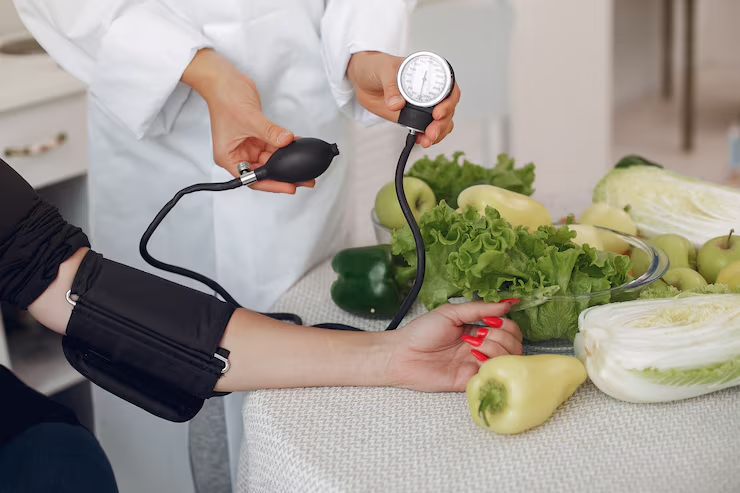
Managing hypertension isn’t just about remembering your pills—it is about reshaping daily eating habits, prioritising wholesome foods, and tracking how every bite impacts your blood pressure. High BP has become common, but the right mix of nutrition, mindful lifestyle choices, and timely follow-ups can keep readings under control for the long term.
Below is a Kanakapura Road-focused guide to help you understand what to include, what to limit, and how diet plays a crucial role in sustainable blood pressure control. Pair this guide with the personalised plans shared at Dr. Sneha S’s hypertension clinic for better outcomes.
Kanakapura Road patients are often advised to follow the DASH (Dietary Approaches to Stop Hypertension) meal plan. It is rich in whole grains, fruits, vegetables, fibre, and healthy fats, while staying naturally low in sodium and refined sugar.
Whether you have recently been diagnosed or have been managing BP for years, pairing the DASH philosophy with consistent monitoring, adequate hydration, and heart-friendly movement can keep numbers stable between clinic visits.
Food choices directly influence blood pressure because sodium, unhealthy fats, and hidden sugars change how your arteries expand and contract.
A carefully curated food plan helps improve heart function, reduce cholesterol, prevent kidney or stroke complications, support weight management, and boost energy levels so that you stay consistent with exercise.
A healthy diet helps:
Filling your plate with the following food groups helps bring BP down naturally while nourishing the body.
These are packed with potassium, magnesium, fibre, and antioxidants that relax blood vessels.
Whole grains provide steady energy, better satiety, and help control cholesterol.
Opt for proteins that support muscle repair without increasing saturated fat intake.
Replace deep-fried treats with fats that protect the heart and fight inflammation.
Calcium and protein from light dairy help maintain bone strength without excess saturated fat.
Limiting the following helps prevent sudden BP spikes and keeps fluid retention away.
Too much caffeine or alcohol can temporarily raise BP and can interfere with anti-hypertensive medications. Stick to one cup of coffee per day and discuss safe alcohol limits with your doctor.
Hypertension is a silent killer because symptoms appear only when complications begin. Regular follow-ups ensure your treatment plan stays safe, individualised, and effective.
Patients seeking hypertension treatment along Kanakapura Road should schedule review visits consistently for best outcomes.
Contact your doctor immediately if you notice:
These symptoms can signal poorly controlled BP and need urgent assessment.
Hypertension is manageable when diet, lifestyle, and medical support work together. Small actions—reducing salt, eating fresh whole foods, exercising daily, and learning about balanced meals from trusted sources like global diet guidelines—protect your heart for the future.
Mild BP may improve with diet and exercise, but many patients still need tablets. Follow your doctor’s advice.
Aim for less than 5 grams per day, including invisible salt from packaged foods and condiments.
Bananas, berries, oranges, and melons are rich in potassium and antioxidants that stabilise BP.
Limit to one cup daily or switch to decaf because caffeine can create short-term spikes.
Ideally track it 3–4 times a week or as guided by your physician, and bring the log to every visit.
Call: +91 8660176715
Email: [email protected]
Location: Manipal Hospital, Kanakapura Road, Bengaluru, Karnataka
Dr. Sneha S is a trusted Internal Medicine Specialist dedicated to providing personalized, evidence-based care.
© 2025 Dr. Sneha S. All rights reserved.Designed By Appadd india pvt ltd