.png)
Dr. Sneha S is a Consultant in Internal Medicine at Manipal Hospital, Kanakapura, Bengaluru. She specializes in diabetes, hypertension, thyroid disorders, infectious diseases, and chronic respiratory conditions.
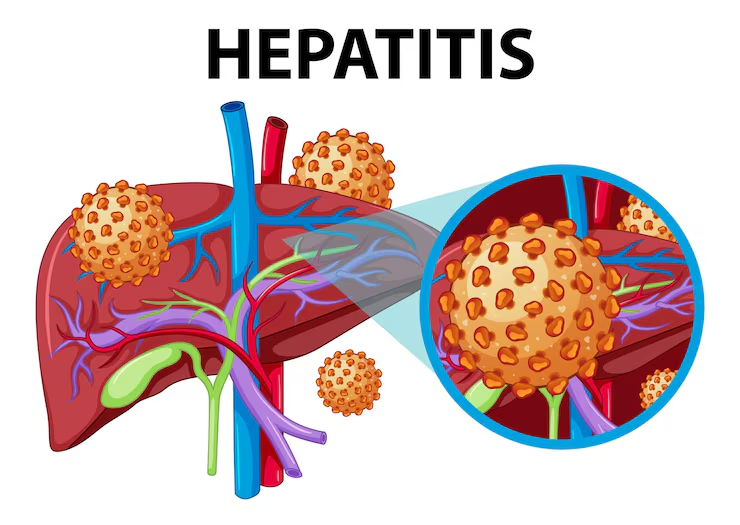
Your liver plays a crucial role in maintaining overall health. It filters toxins from your blood, aids in digestion, and helps regulate various metabolic functions. When this important organ becomes inflamed, it can cause serious health problems. This condition is known as hepatitis. Hepatitis is a broad term that refers to the inflammation of the liver.
In this blog, we will explore what hepatitis is, its causes, symptoms, and the importance of early diagnosis and prevention.
Hepatitis is the term used to describe the inflammation of the liver. The liver is the body's largest internal organ, responsible for filtering toxins from the bloodstream, producing bile for digestion, and storing vitamins and minerals. When the liver becomes inflamed, it struggles to perform these vital functions, leading to symptoms and health complications.
Hepatitis can be caused by several factors, including viral infections, alcohol abuse, autoimmune diseases, or exposure to toxic substances. The severity of hepatitis can range from mild inflammation to chronic liver disease, which can lead to cirrhosis or even liver failure in extreme cases.
In most cases, hepatitis is caused by an infection, particularly viral infections. However, other factors such as a poor lifestyle, exposure to toxins, or genetic disorders can also play a role. Early diagnosis and treatment are essential to managing hepatitis effectively and preventing serious complications.
Several factors can lead to liver inflammation. The most common causes of hepatitis include:
Viral infections are one of the leading causes of hepatitis. The most common viral forms are:
Hepatitis A: This virus is typically contracted by consuming contaminated food or water. Hepatitis A is generally self-limiting and can be prevented through vaccination and proper hygiene.
Hepatitis B: This is transmitted through contact with infected bodily fluids such as blood, semen, or vaginal fluids. Hepatitis B can be chronic and lead to serious liver damage if not treated.
Hepatitis C: Hepatitis C is mainly transmitted through blood-to-blood contact, often through shared needles or transfusions. Unlike hepatitis A and B, there is currently no vaccine for hepatitis C, but it is treatable with antiviral medications.
Other types of viruses can also cause hepatitis, but A, B, and C are the most common and widely recognized.
Excessive alcohol consumption is a leading cause of liver inflammation. Chronic alcohol abuse can lead to alcoholic hepatitis, which can damage liver cells over time. Moreover, exposure to certain harmful substances, such as industrial chemicals and toxins, can also trigger inflammation in the liver.
A poor diet, lack of exercise, and unhealthy habits can further contribute to liver damage and the development of conditions like fatty liver disease, which may lead to hepatitis.
Autoimmune hepatitis occurs when the immune system mistakenly attacks the liver, causing inflammation. The exact cause of autoimmune hepatitis is unknown, but genetic and environmental factors are thought to play a role. It can be managed with medications that suppress the immune system, preventing further liver damage.
Hepatitis can also be caused by environmental factors. Consuming contaminated food or water, particularly in areas with poor sanitation, can lead to hepatitis A infection. Unsafe food handling, inadequate water treatment, and poor hygiene are common culprits in the transmission of hepatitis.
Recognizing the symptoms of hepatitis early can help in obtaining prompt medical care. If you experience any of the following signs, it is essential to consult a doctor:
If you feel unusually tired all the time, even after adequate rest, it could be a sign that your liver is not functioning properly. Fatigue is a common symptom of hepatitis and should not be ignored.
Jaundice refers to the yellowing of the eyes and skin. This occurs when the liver is unable to process bilirubin, a substance produced when the body breaks down red blood cells. Bilirubin builds up in the bloodstream, leading to the characteristic yellowing of the skin and eyes.
Pain in the upper right side of the abdomen can indicate liver inflammation. This discomfort is often associated with a swollen or inflamed liver. If you experience persistent stomach discomfort, it is crucial to consult a healthcare professional.
Dark urine can be a sign of liver dysfunction. When the liver is not filtering bilirubin properly, the excess can be excreted through the urine, turning it dark brown or amber in color.
A decreased appetite, nausea, and vomiting are common symptoms of hepatitis. As the liver becomes inflamed, it can affect your digestive system, leading to discomfort and a reduced desire to eat.
Your liver is vital for your overall well-being. It helps in detoxifying your body, producing essential enzymes, and aiding in digestion. When the liver becomes inflamed, the body's ability to function properly can be severely compromised. That is why it is crucial to monitor for symptoms and seek timely medical care.
If you are experiencing symptoms like fatigue, jaundice, abdominal pain, or dark urine, it is essential to consult a healthcare professional. Early diagnosis and treatment are key to managing hepatitis and preventing serious liver damage.
For those in Yelechenahalli and nearby areas, Dr. Sneha S, a trusted Female Internal Medicine Doctor in Yelechenahalli, specializes in diagnosing and treating liver conditions, including hepatitis. With her expertise and compassionate care, Dr. Sneha helps her patients manage liver health and guides them on prevention and treatment options.
If you suspect you have hepatitis or are experiencing symptoms related to liver health, do not wait. Book an appointment with Dr. Sneha S today to protect your liver and overall health.
Answer: Hepatitis can be caused by viral infections (Hepatitis A, B, C), excessive alcohol consumption, autoimmune disorders, and exposure to contaminated food or water.
Answer: Some forms of hepatitis, like Hepatitis A, can resolve on their own. However, chronic hepatitis such as Hepatitis B and C requires treatment and management.
Answer: Symptoms like persistent fatigue, jaundice, abdominal pain, dark-colored urine, and loss of appetite can indicate hepatitis. A blood test can confirm the diagnosis.
Answer: Yes, certain types of hepatitis, like Hepatitis A, B, and C, can be transmitted through contact with infected bodily fluids, food, or water.
Answer: Vaccines are available for Hepatitis A and B. Hepatitis C can be prevented by avoiding exposure to contaminated blood. Practicing good hygiene and avoiding excessive alcohol can also help prevent hepatitis.
If you are concerned about your liver health, it is important to get checked early. Dr. Sneha S, the Female Internal Medicine Doctor in Yelechenahalli, is here to help you with accurate diagnosis and effective treatment plans for hepatitis and other liver conditions.
+91 8660176715
Manipal Hospital, Kanakapura Road, Bengaluru, Karnataka
Take action today and ensure the health of your liver with the expert care of Dr. Sneha S.
Dr. Sneha S is a trusted Internal Medicine Specialist dedicated to providing personalized, evidence-based care.
© 2025 Dr. Sneha S. All rights reserved.Designed By Appadd india pvt ltd